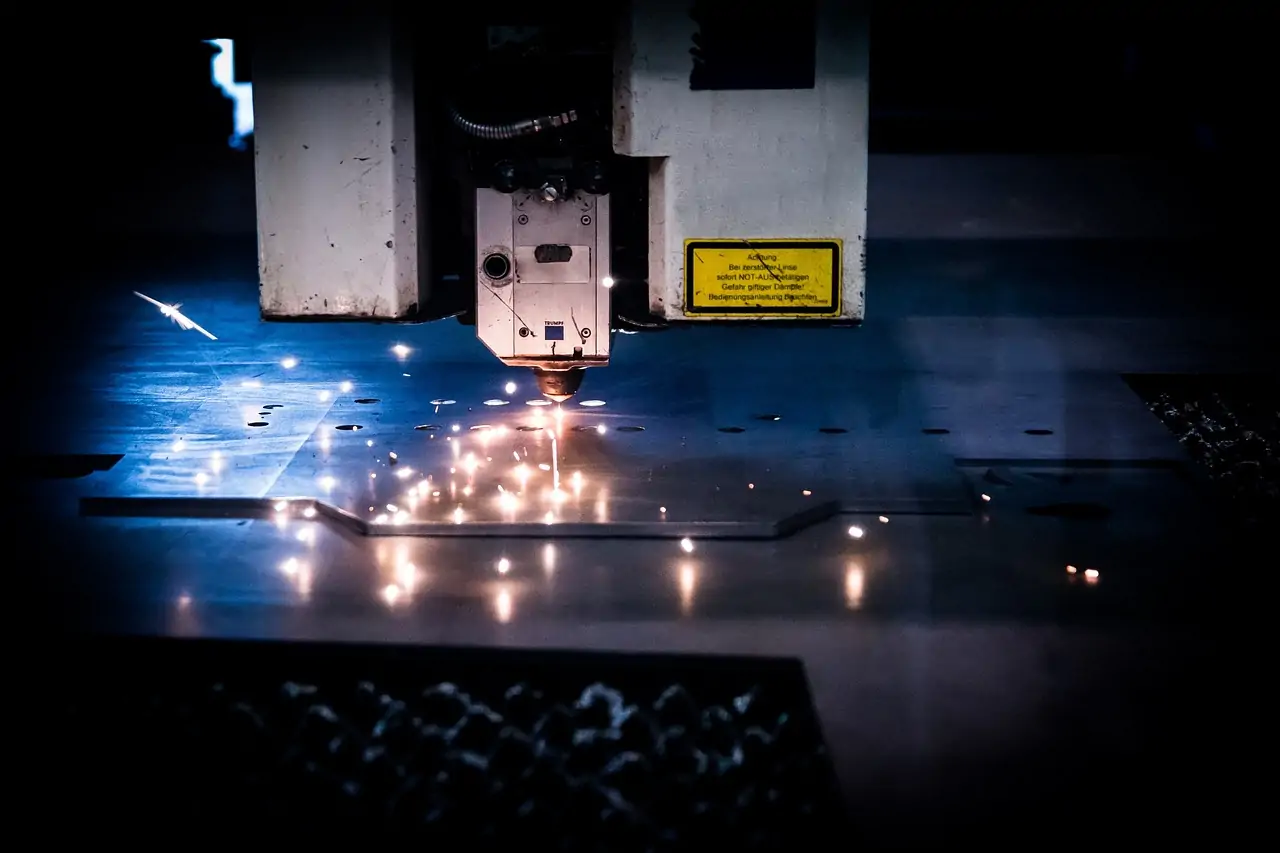
Metals
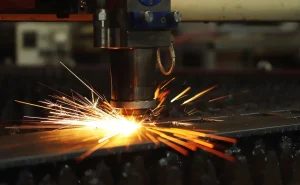
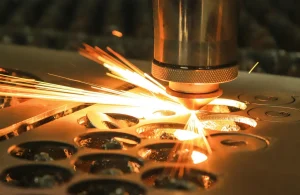
From stainless-steel sinks to titanium aircraft skins, lasers excel at cutting metals. A 500 W fiber laser can vaporize 1 mm aluminum foil instantly, while 20 mm carbon steel demands 6 kW and oxygen assist for a clean, burr-free edge. Highly reflective copper and brass—once troublesome—are now tamed by 1 µm wavelength lasers and anti-reflection nozzles.
Non-metals
Lasers also thrive outside the metal world. An 80 W CO₂ laser carves 3 mm acrylic with crystal-clear edges; Kevlar is cut by UV “cold” lasers to avoid charring. Compressed air blown through 5 mm MDF prevents scorching. Glass, ceramics, and stone can be diced too, but only with picosecond pulses that rely on micro-cracking rather than melting.
Exotic & emerging materials
Composites are the toughest challenge. Carbon-fiber epoxy laminates often fray at the bottom ply. The solution: first score the surface with a short-pulse laser, then finish the depth with a longer pulse. Recent studies show that a 1 kW green laser can slice 2 mm perovskite solar cells in 3 s, paving the way for flexible-electronics mass production.